The Advanced Manufacturing research agenda focuses on advancing the applications of digital fabrication and automation to revolutionise construction practices. Developed around key concepts of industrialisation, prefabrication or design for disassembly, among others, this agenda aims to create efficient, sustainable building processes that enable easy assembly, adaptability, and efficient manufacturing off and onsite.
Year: 2022
Location: Barcelona, Spain
Faculty: Vincent Huyghe, Gabriele Jureviciute
Students: Hairati Tupe, Prathana Sudhindra, Ziying Zeng, Jiaqi Sun, Aniket Sonawane, Liang Mayuqi, Jose Rigoberto Moreno
Location: Barcelona, Spain
Faculty: Vincent Huyghe, Gabriele Jureviciute
Students: Hairati Tupe, Prathana Sudhindra, Ziying Zeng, Jiaqi Sun, Aniket Sonawane, Liang Mayuqi, Jose Rigoberto Moreno
Featured projects:
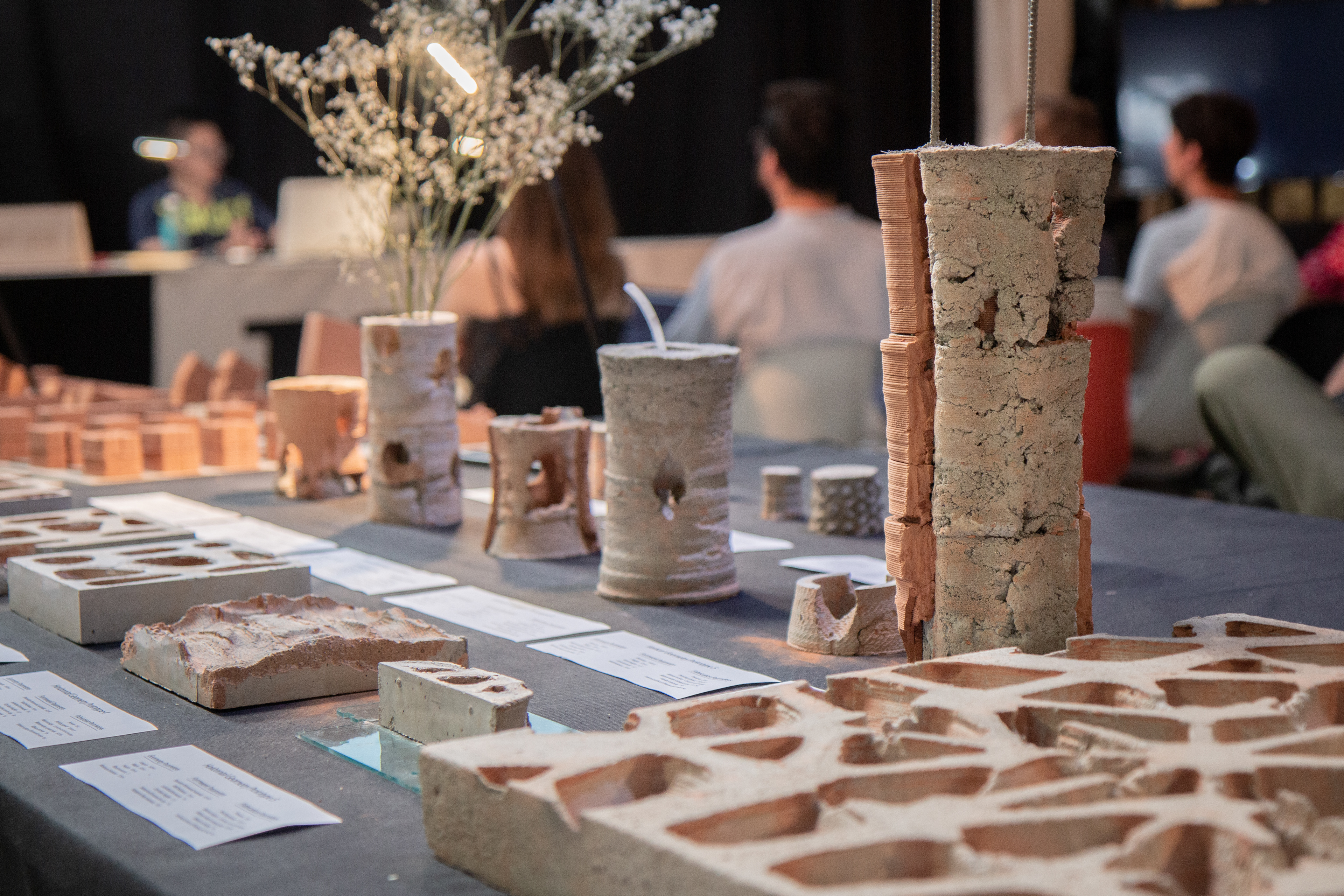
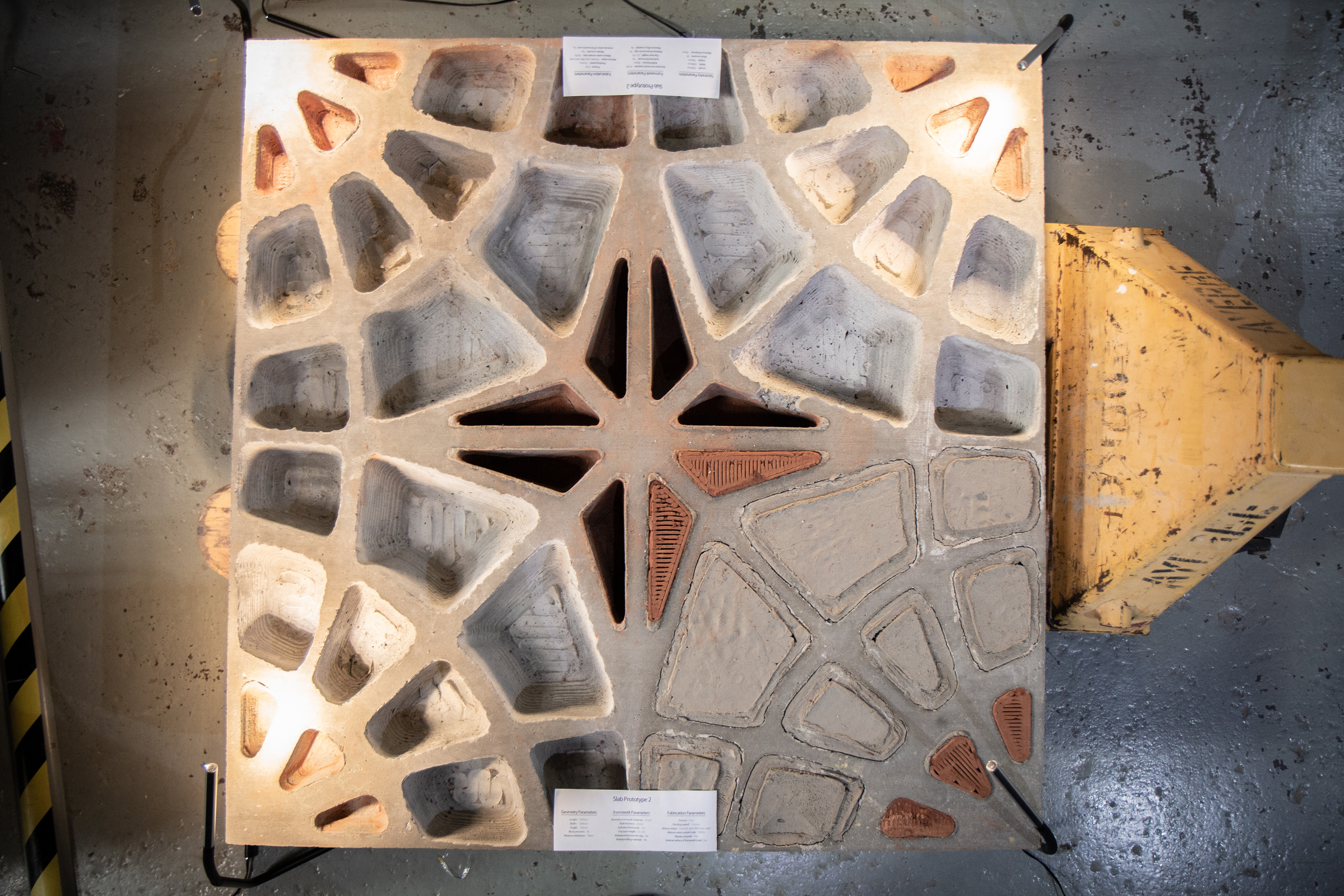
Cast Green: 3D-printed Clay Formwork for Castable Materials
Researcher: Liang Mayuqi
Year: 2021/22
The research explores whether 3D-printed clay formwork, integrated with traditional casting techniques, can enable the fabrication of complex geometries within the structurally sound castable elements, while reducing environmental impact, cost, and material waste.
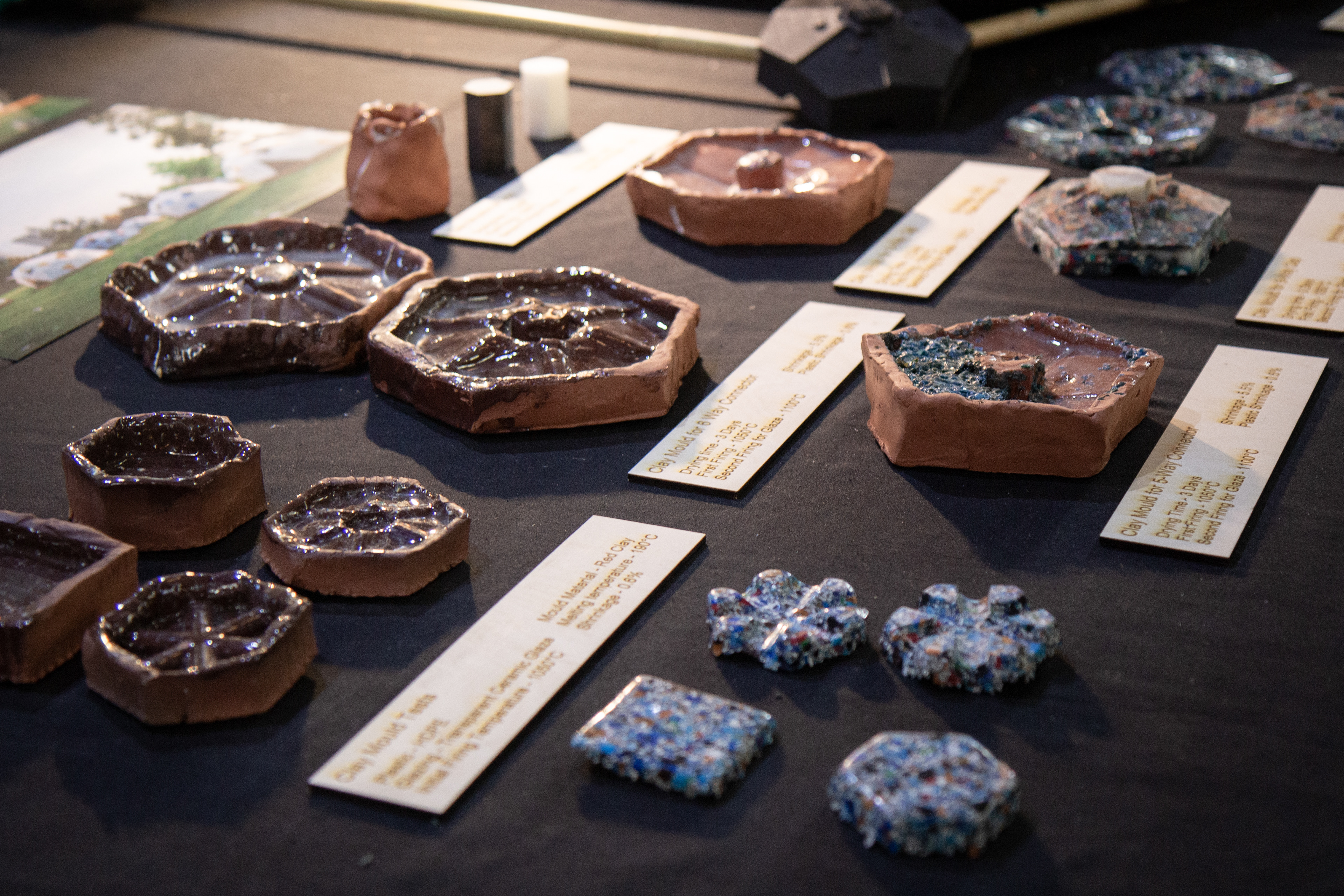
Re-Settle
Researcher: Prarthana Sudhindra
Year: 2021/22
Re-Settle aims to provide a sustainable and responsive approach to integrate the idea of zero waste into solving the issue of the poor human living condition by introducing circularity in slums by recycling-constructing-earning using plastic waste which in return rejuvenate the blighted areas.
Year: 2023
Location: Barcelona, Spain
Faculty: Gabriele Jureviciute, Oriol Carrasco
Students: Alex Ferragu, Emily Bishop, Zachary Eisenberg, Aswin Kumar Ganesan, Mira Housen
Location: Barcelona, Spain
Faculty: Gabriele Jureviciute, Oriol Carrasco
Students: Alex Ferragu, Emily Bishop, Zachary Eisenberg, Aswin Kumar Ganesan, Mira Housen
Featured projects:
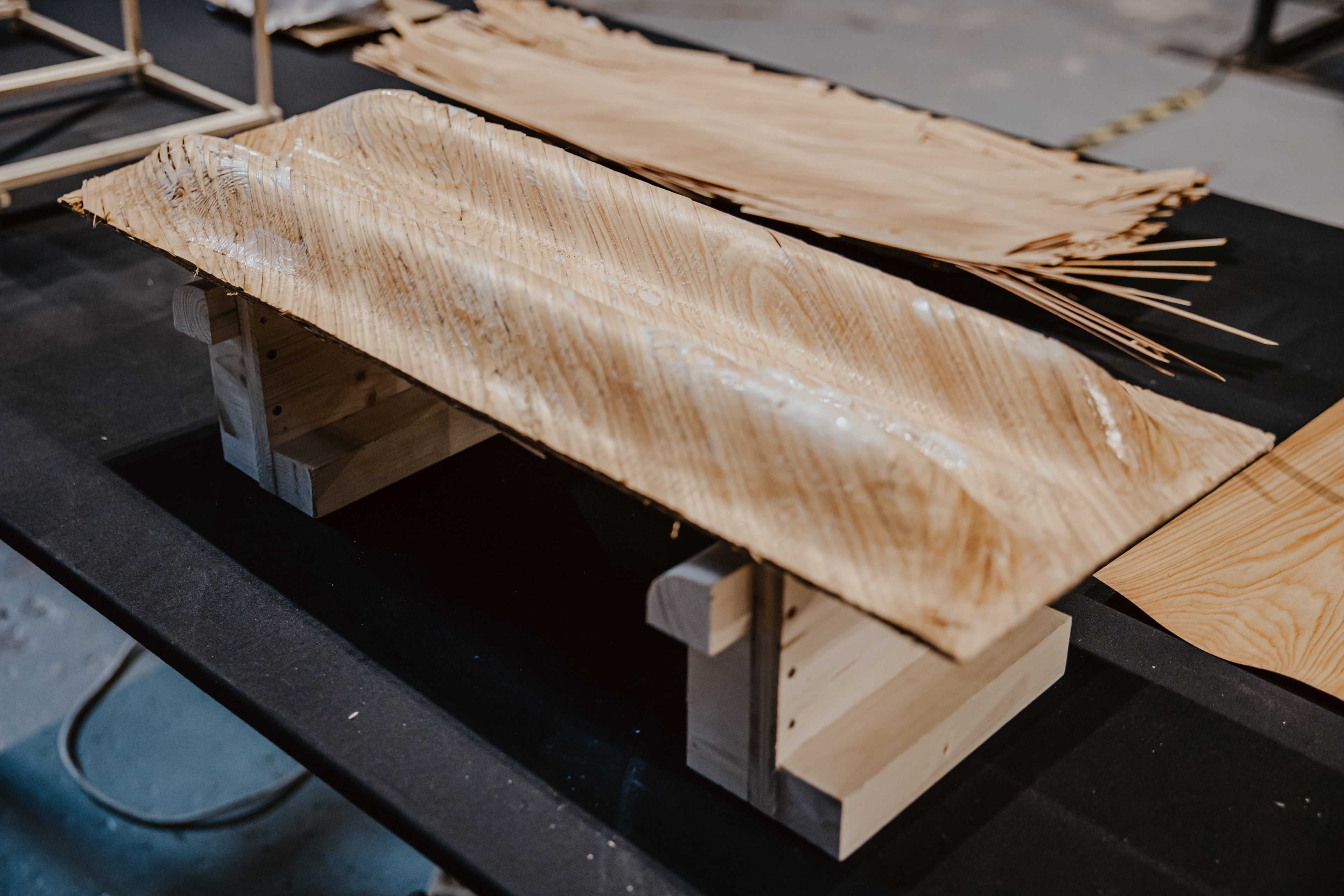
Xylem
Researcher: Alex Ferragu
Year: 2022/23
Xylem research investigates how geometrically optimized wood–binder composites, produced with a simplified “strip” layering technique inspired by naval construction, can be used to create lightweight, prefabricated rooftop extensions for affordable housing within dense urban areas, enhancing structural performance and reducing environmental impact.
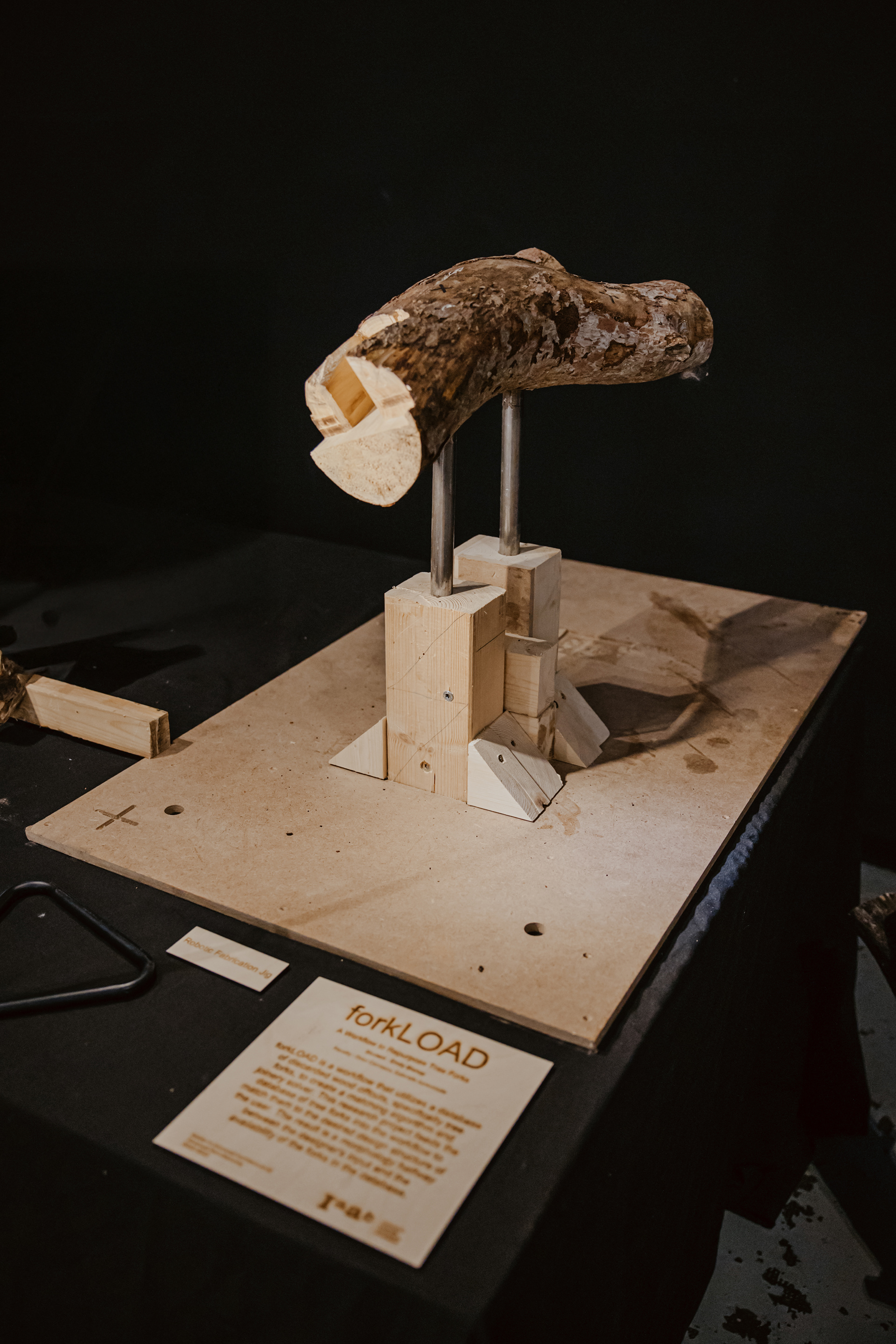
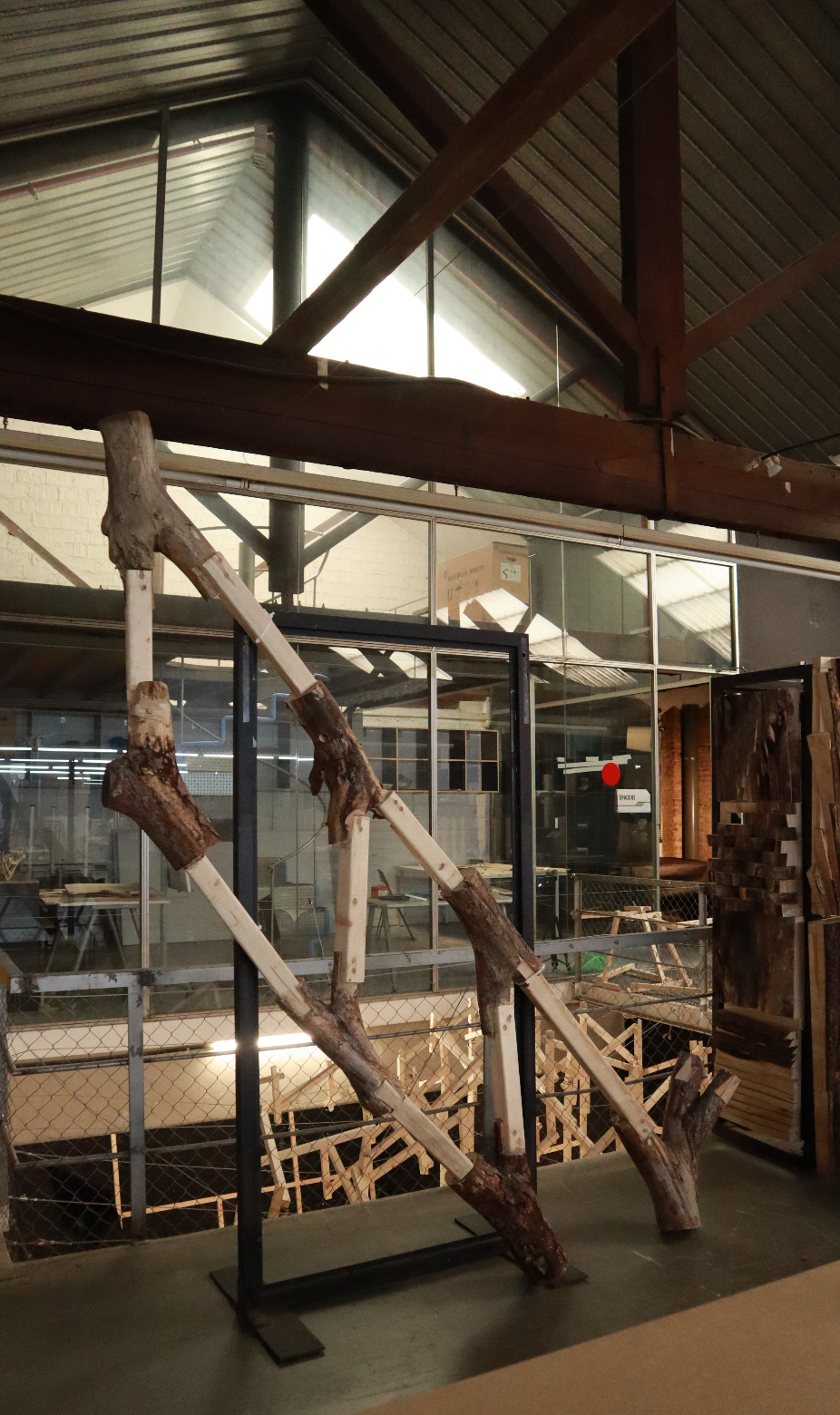
ForkLOAD
Researcher: Emily Bishop
Year: 2022/23
This thesis proposes forkLOAD - a digital workflow that upcycles discarded tree forks, leveraging their naturally reinforced fiber geometry as robotically milled joinery, to create custom-fit structural elements that minimize environmental impact, cost, and waste.